


Magnetic resonance imaging (MRI) is widely used in preclinical research and drug development as a powerful, non-invasive method for assessing mouse disease models and treatment efficacy. Small-animal in vivo MRI enables longitudinal evaluation of tissue changes and phenotypic expression in experimental models. Niumag’s compact MRI systems fit into most standard labs—without the high cost and complexity of conventional MRI—providing a high-performance platform for in vivo imaging of small animals. This article introduces the research applications of Niumag’s compact, high-performance small-animal MRI platform in preclinical toxicology and pathology.
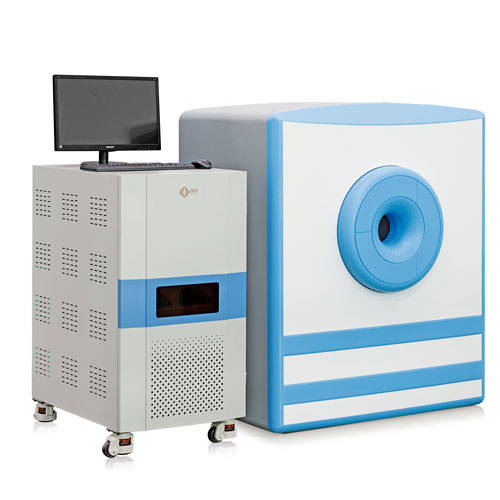
Small-animal MRI is a robust, non-invasive in vivo assessment tool for preclinical studies, drug discovery, and disease models. In preclinical workflows, in vivo MRI supports longitudinal studies to monitor disease onset, regression, and therapeutic response—non-invasively and without sacrificing animals at time points. The same animal can be imaged across multiple disease stages, reducing inter-subject variability.
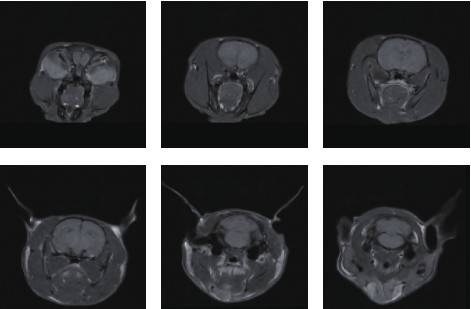
Mouse head imaging
To date, broader adoption of MRI has been constrained by the high capital cost of superconducting systems and the expense of site preparation, installation, operation, and routine maintenance. Operating superconducting MRI also introduces safety and workflow complexity, typically requiring dedicated MR physicists to manage hardware, advanced sequences, and imaging protocols.
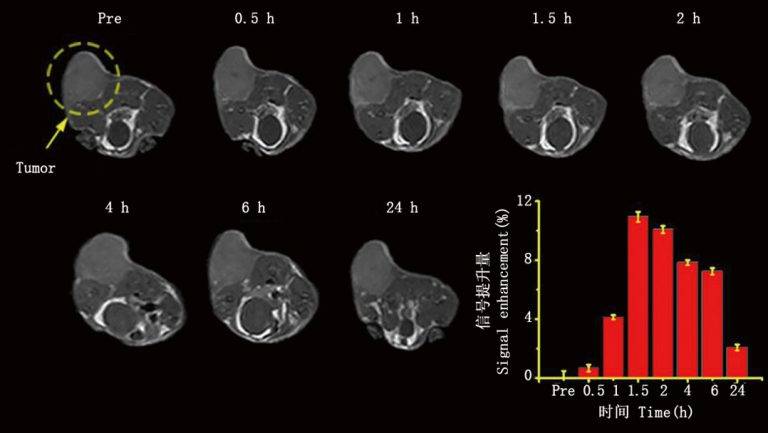
Subcutaneous tumour imaging
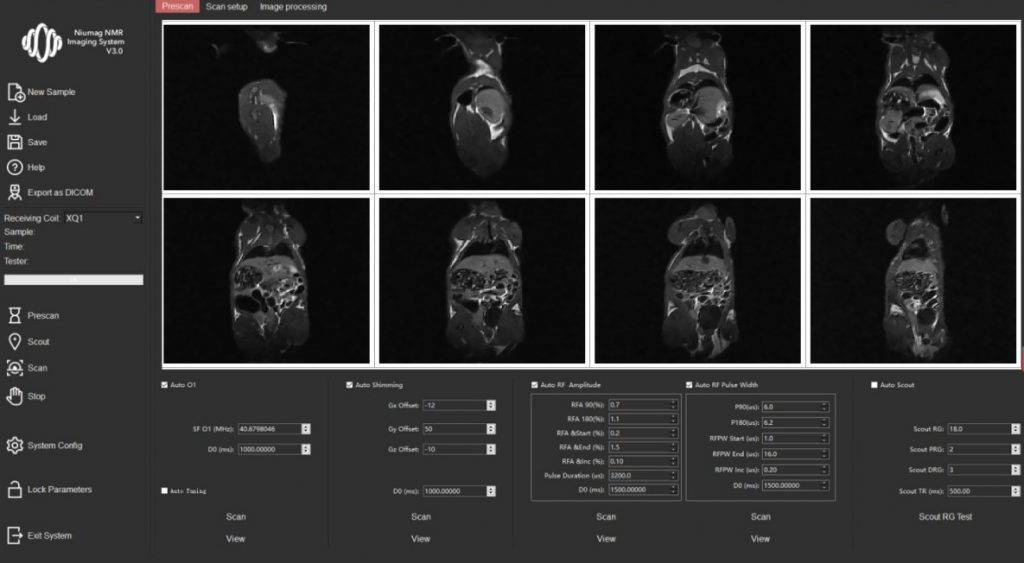
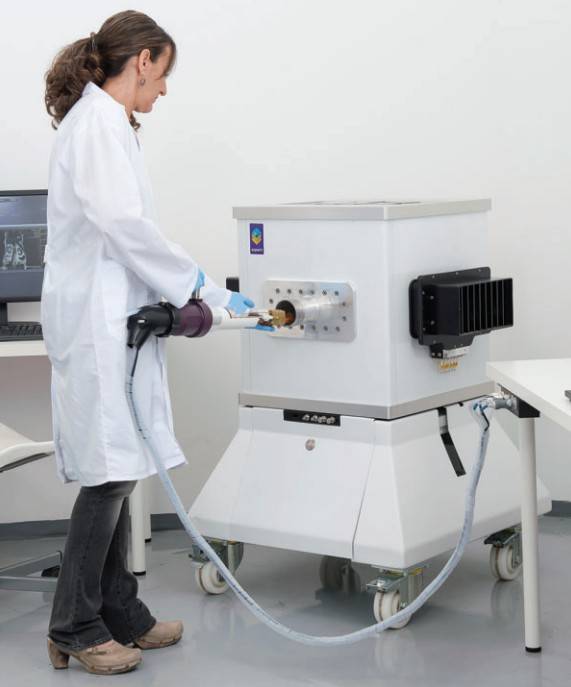
Niumag’s series of compact, high-performance small-animal MRI platforms feature a new magnet design and application software, purpose-built for in vivo studies. These systems remove the cost and complexity barriers of traditional MRI and are easy to learn and operate. Tailored for pathologists without an MRI background, they deliver high-quality in vivo images of laboratory animals—significantly enhancing routine histopathology in preclinical toxicology and rodent disease-model development.
Unlike superconducting systems, Niumag small-animal MRI units are mobile and self-shielded. They can be placed in most laboratories or research suites with no need for a dedicated shielded room, cryogens, chillers, or specialised electrical/plumbing infrastructure.
In addition, the platform integrates dedicated hardware/software, pre-programmed protocols, and streamlined sample handling to support high-throughput in vivo imaging for pathologists. Benefits include longitudinal disease monitoring (in vivo MRI) and rapid image acquisition.
Historically, small-animal MRI was confined to large imaging cores and research centres capable of purchasing, maintaining, and staffing expensive superconducting systems, along with complex facilities and expert personnel. Those centres have produced exquisite high-resolution in vivo and ex vivo images—while accepting long scan times and low throughput.
The arrival of Niumag’s compact systems opens MRI access to researchers and pathologists without prior MR experience—unlocking advanced imaging capability without the cost, complexity, and safety concerns of superconducting MRI.
Two additional Niumag small-animal MRI systems:
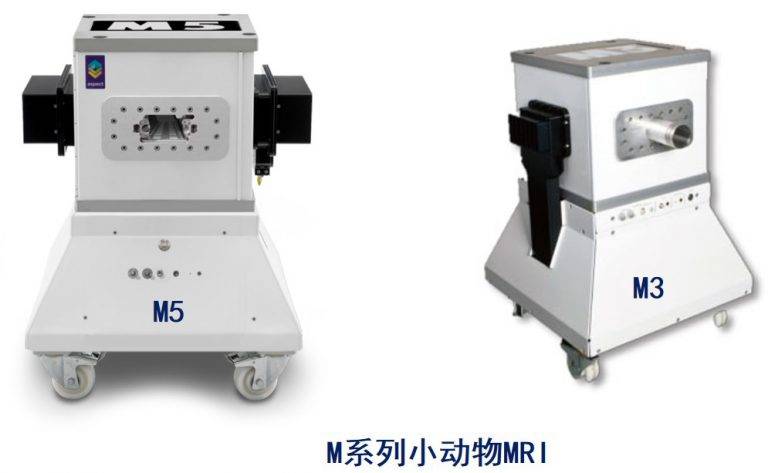
Key Advantages of Niumag Compact Small-Animal MRI
● High-strength permanent magnet, 1.0 T field, zero maintenance → cuts purchase and upkeep costs
● Compact footprint, easy installation → saves space, no Faraday room required
● Powerful capabilities with complete accessories → lowers the barrier to use
● Simple operation with comprehensive software → ECG monitoring, respiratory gating, and gas anaesthesia available
● Dedicated Niumag service team providing professional, responsive technical support
● 30+ systems installed across China
Niumag’s compact small-animal MRI is an efficient imaging tool that rapidly delivers in vivo images in rats and mice. Compared with traditional anatomical methods, in vivo MRI requires no invasive procedures, avoiding secondary injury that could confound results. By imaging the same subject repeatedly, researchers obtain more accurate data on disease progression/regression, morphology, and quantitative parameters—greatly enriching study outcomes. Fast scan workflows further boost productivity. As a result, Niumag’s compact MRI has become an essential tool in the life sciences. With ongoing technology upgrades, it will continue to gain adoption and drive new insights and discoveries.
 Scan QR Code
 Scan QR Code
 Phone Support
Phone: 400-060-3233
After-sales: 400-060-3233
 WeChat Support

 Official Account

Back to Top