

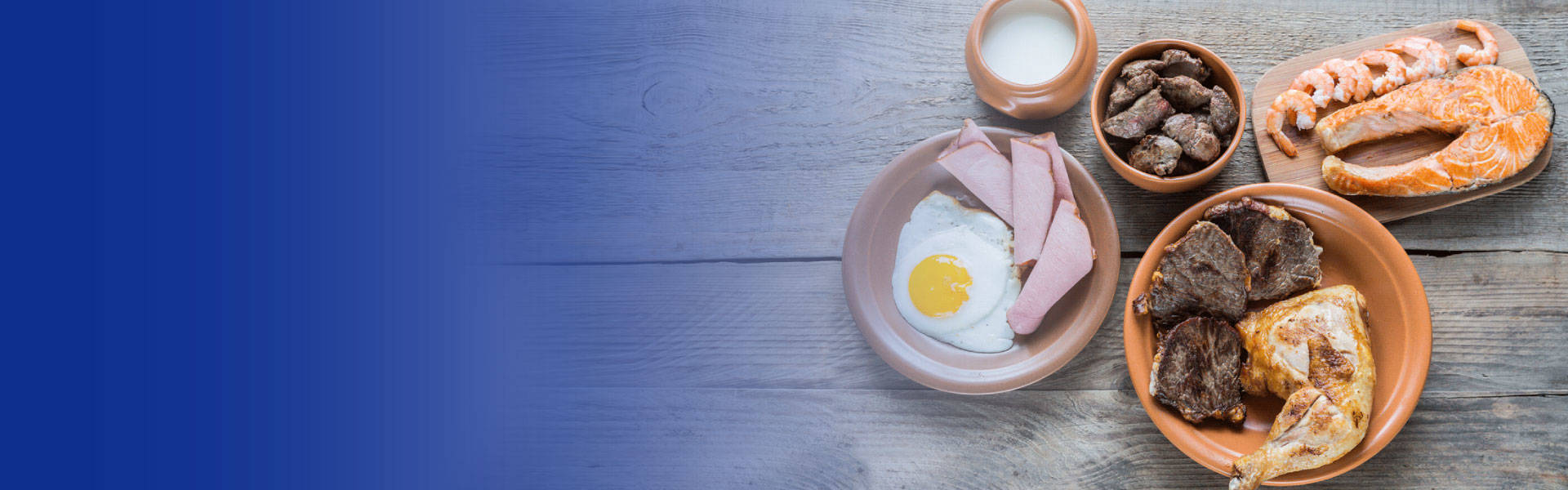
Shrimp are among the most popular seafood products in aquaculture, rich in nutrients such as proteins, calcium, vitamins, and various extractable compounds. However, fresh shrimp spoil quickly due to high moisture content and strong enzymatic activity. Drying has long been recognised as an effective method for extending shelf life in most parts of the world. Yet drying is a complex process—if poorly managed, it can adversely affect the mechanical, sensory, functional, and nutritional properties of the final product. Therefore, monitoring and controlling key quality parameters during drying is essential to ensure batch consistency and product uniformity. Conventional quality-assessment methods are reliable, but destructive, relatively slow, and often limited to offline use. This creates the need for a rapid, non-destructive technique for quality control of shrimp drying.
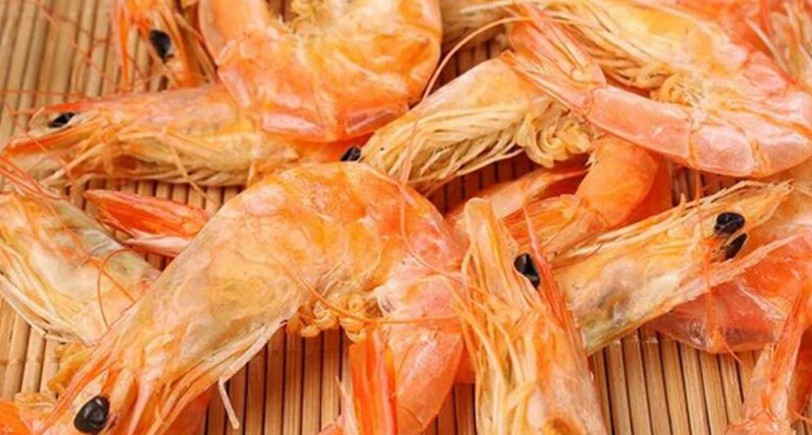
In recent years, several non-destructive quality-control methods have been developed, such as computer vision systems (CVS), near-infrared (NIR) spectroscopy, and laser-based imaging systems. These techniques monitor texture, analyse colour changes, and predict moisture content during drying of seafood, fruit slices, vegetables, and fermented sausages. However, they cannot reveal water mobility and distribution—factors that remain critical in food systems throughout drying.
Low-field nuclear magnetic resonance (LF-NMR) measures the resonance frequencies absorbed by proton spins in food components such as water, fat, carbohydrates, and proteins. Thanks to its sensitivity, rapid analysis speed, non-invasive nature, and low cost, LF-NMR has been widely applied to characterise water mobility and distribution in foods. Magnetic resonance imaging (MRI) further provides visualisation of internal structures and chemical composition.
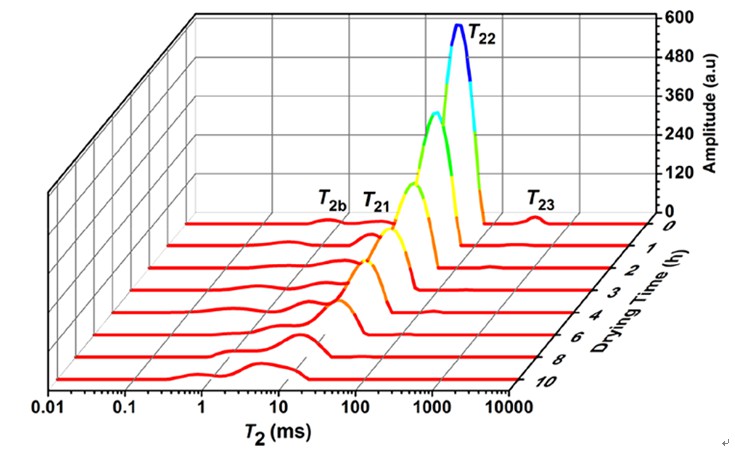
In this study, the NMR T2-relaxation method was used to evaluate dynamic water states and distribution during shrimp drying, while MRI offered internal structural insights. Measurements included moisture content, texture profile analysis (TPA), and colour assessment to monitor drying levels and overall quality. Pearson correlation analysis was employed to examine the relationship between NMR T2 parameters and moisture, texture, and colour, demonstrating LF-NMR’s potential as a non-destructive method for monitoring shrimp drying and quality.
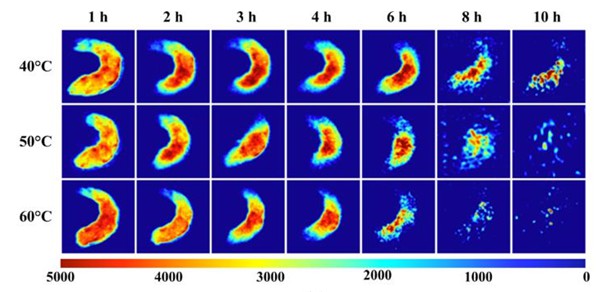
MRI has proven to be an effective tool for studying water distribution in food science. The figure below shows pseudo-colour T2-weighted images of shrimp dried at 40 °C, 50 °C, and 60 °C for different durations (blue to red: low to high proton density), highlighting the distribution of mobile water. As drying progresses, bright regions diminish, indicating the loss of long-relaxation signals. Across all three temperatures, signal intensity decreases from the outer surface toward the inner tissues as drying time increases.
[Reference: Cheng, Shasha, Tang, et al. “Approach for monitoring the dynamic states of water in shrimp during drying process with LF-NMR and MRI.” Drying Technology: An International Journal, 2018.]
 Scan QR Code
 Scan QR Code
 Phone Support
Phone: 400-060-3233
After-sales: 400-060-3233
 WeChat Support

 Official Account

Back to Top