


In recent years, as China’s technological development accelerates, the country has faced unprecedented technology sanctions imposed by the United States. The ongoing Russia-Ukraine conflict has further reminded Chinese industries that core technologies must be developed domestically to build a stronger, self-reliant future. Among all sanctions from Western powers, the semiconductor sector has become a major focal point. Domestic production of semiconductor equipment and processes is now more urgent than ever. Fortunately, through the efforts of countless researchers, Anji Microelectronics has successfully localized CMP (Chemical Mechanical Polishing) slurries, including copper/barrier slurry, tungsten slurry, oxide slurry, and silicon slurry. At this point, you may be wondering: Does low-field NMR have any application in the CMP field?
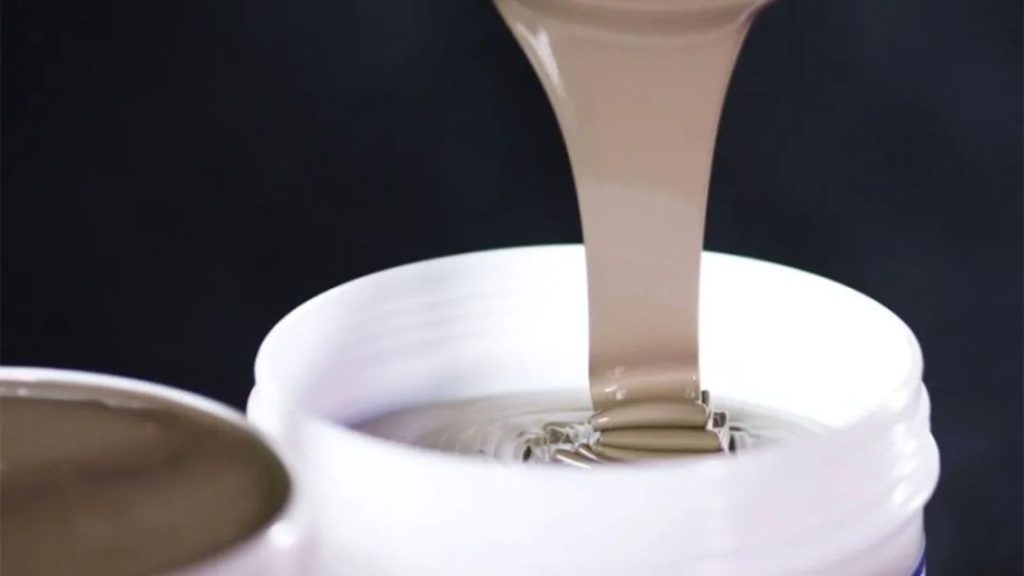
CMP, or Chemical Mechanical Polishing, is a critical process in semiconductor wafer fabrication. It ensures high precision and high-performance surface finishing. CMP slurry typically contains abrasive particles, pH adjusters, oxidizers, and dispersants. As such, CMP slurry is essentially a nanoparticle suspension with extremely strict requirements for particle size and dispersion stability in solution.
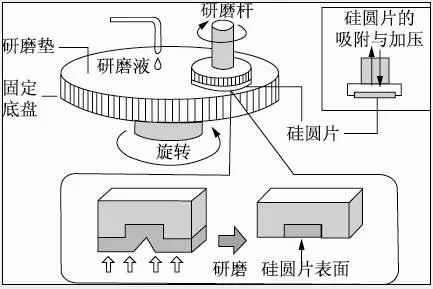
Surprisingly simple—low-field NMR relaxation technology can differentiate the surface solvent layer bound to the solid-liquid interface of nanoparticles. This allows for the calculation of the specific surface area of particles in the slurry and enables rapid assessment of the dispersion quality in CMP and similar suspensions.
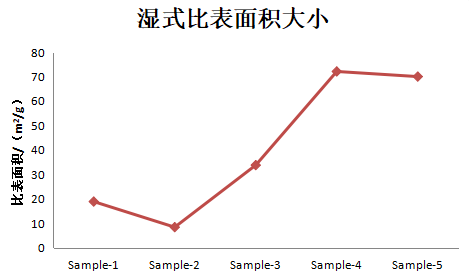
Before NMR was introduced into the CMP field, nitrogen adsorption was the industry-standard method for measuring particle surface area. However, during R&D and production, manufacturers found that even when the abrasive particle’s surface area was stable, polishing performance could still vary. This inconsistency is often due to particle agglomeration in the liquid, which changes particle size and impairs polishing efficiency. Low-field NMR solves this challenge by measuring particle dispersion directly in liquid systems, making it an invaluable tool for CMP slurry formulation and production control.
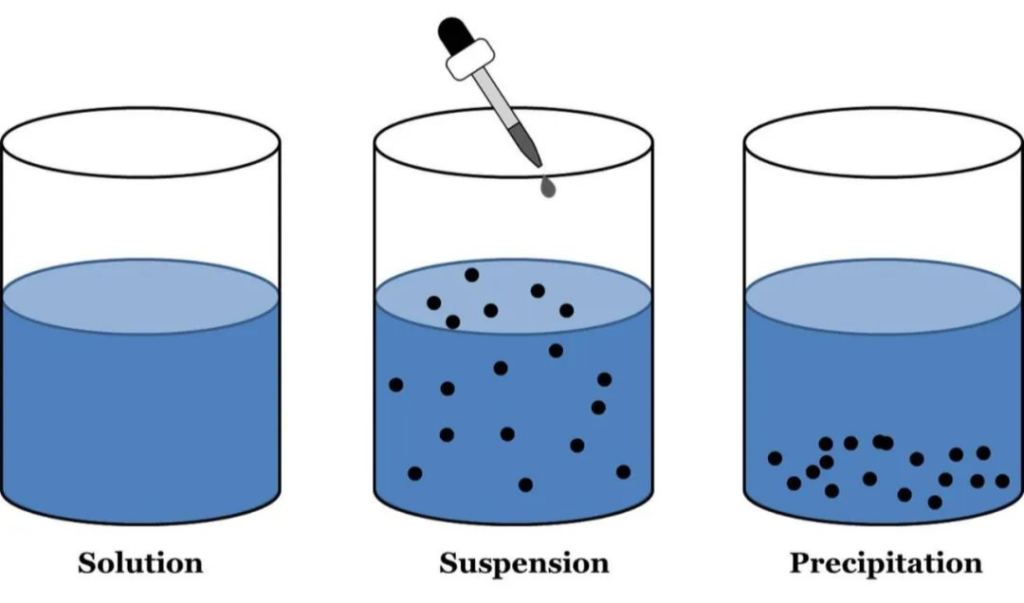
In addition to semiconductor CMP slurries, low-field NMR is highly applicable to other industries supported by national policy, such as new energy battery slurries, photovoltaic conductive silver paste, graphene slurries, electronic slurries, and more. These new materials require precise dispersion control, making NMR an ideal technique for both R&D and production environments.
 Scan QR Code
 Scan QR Code
 Phone Support
Phone: 400-060-3233
After-sales: 400-060-3233
 WeChat Support

 Official Account

Back to Top