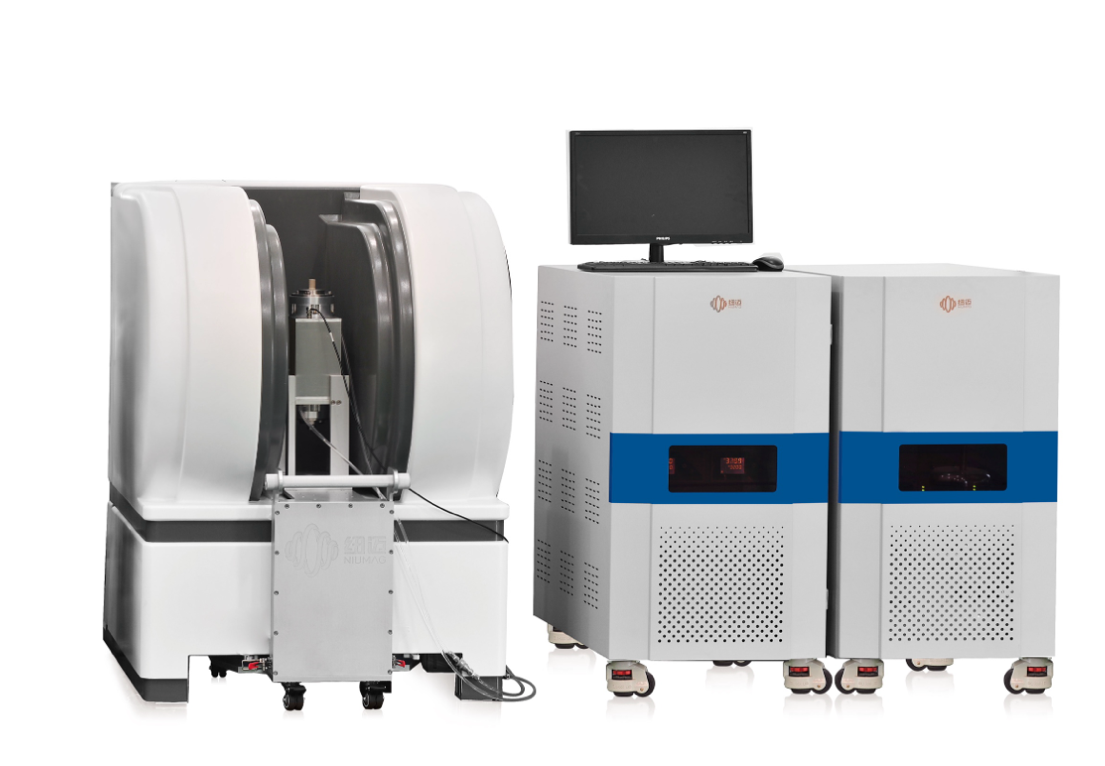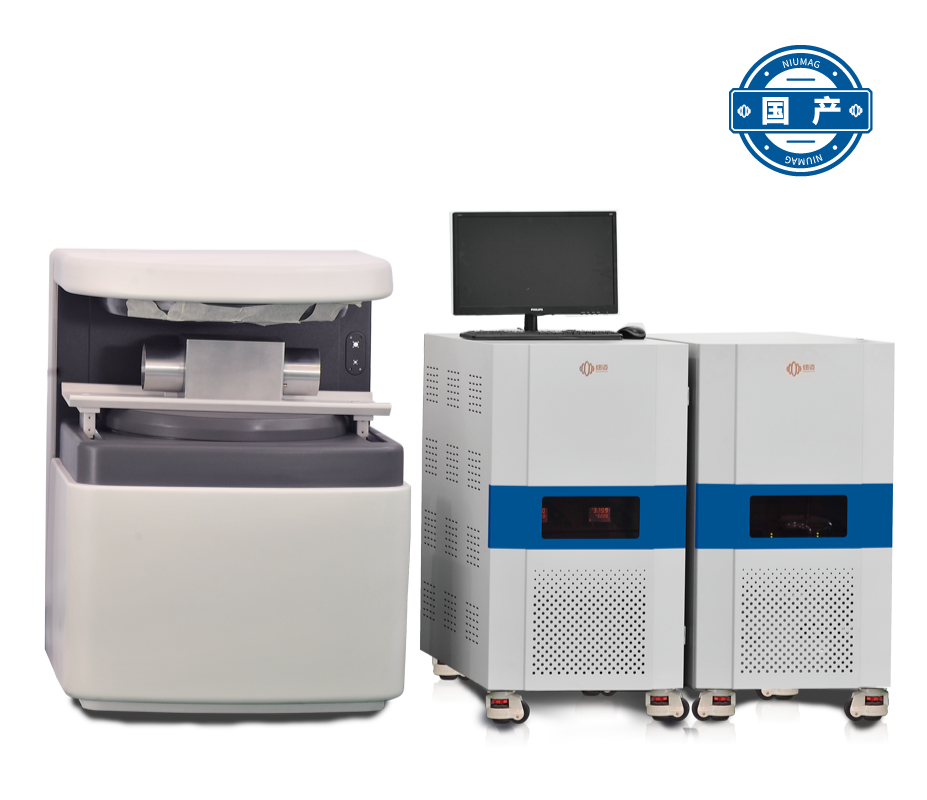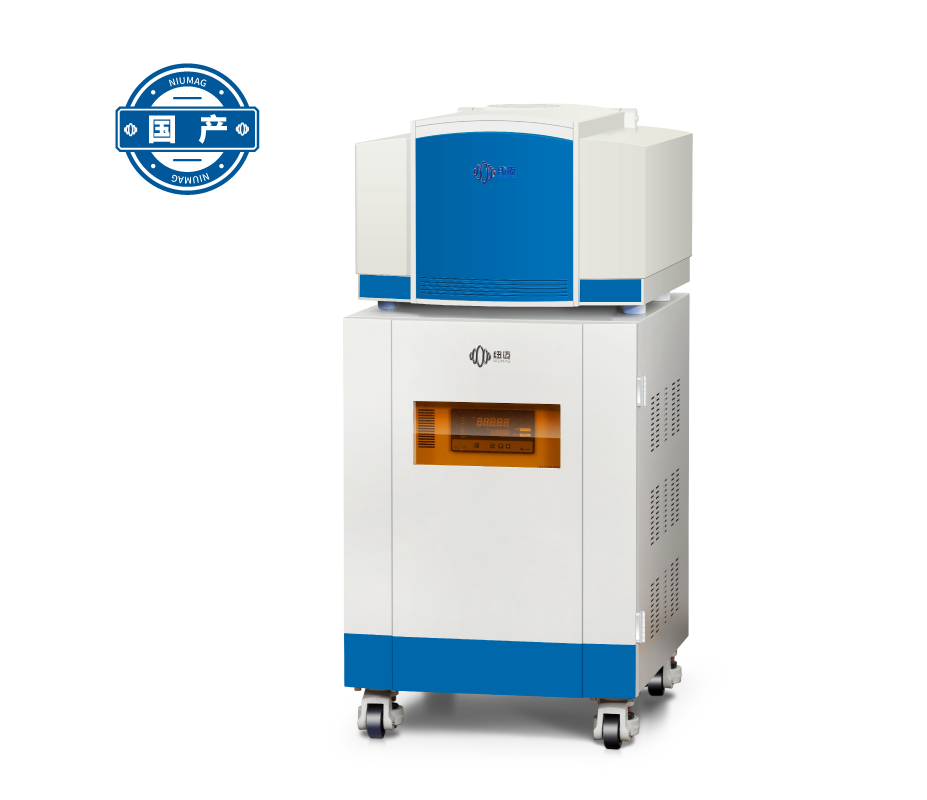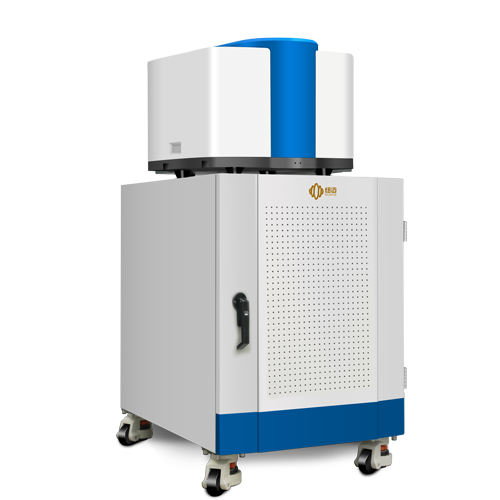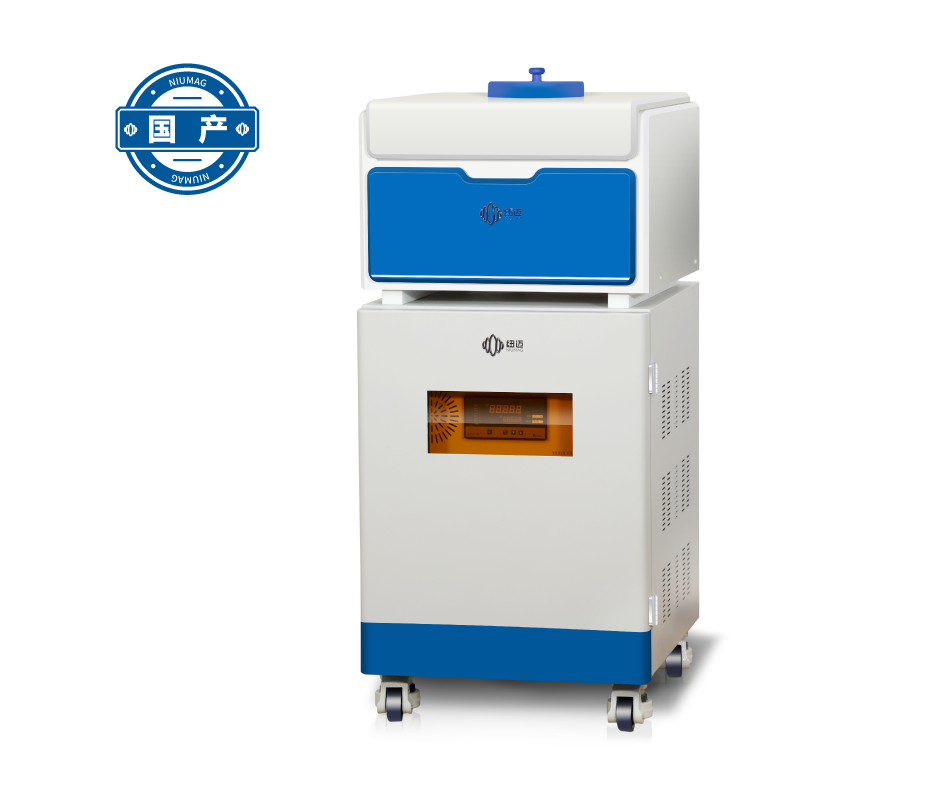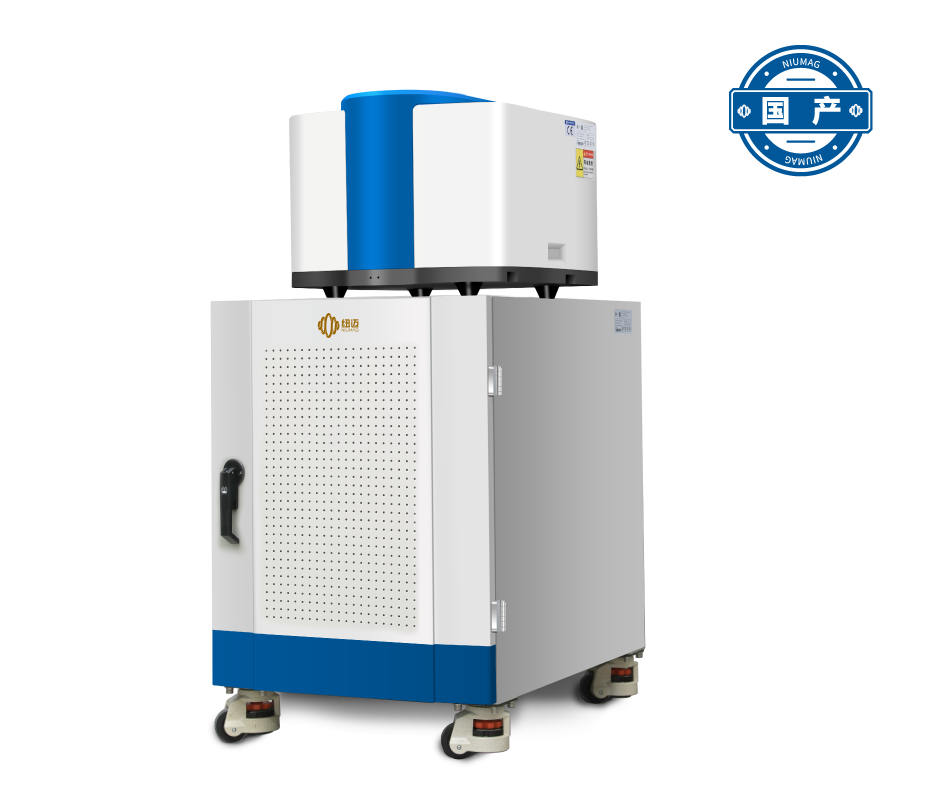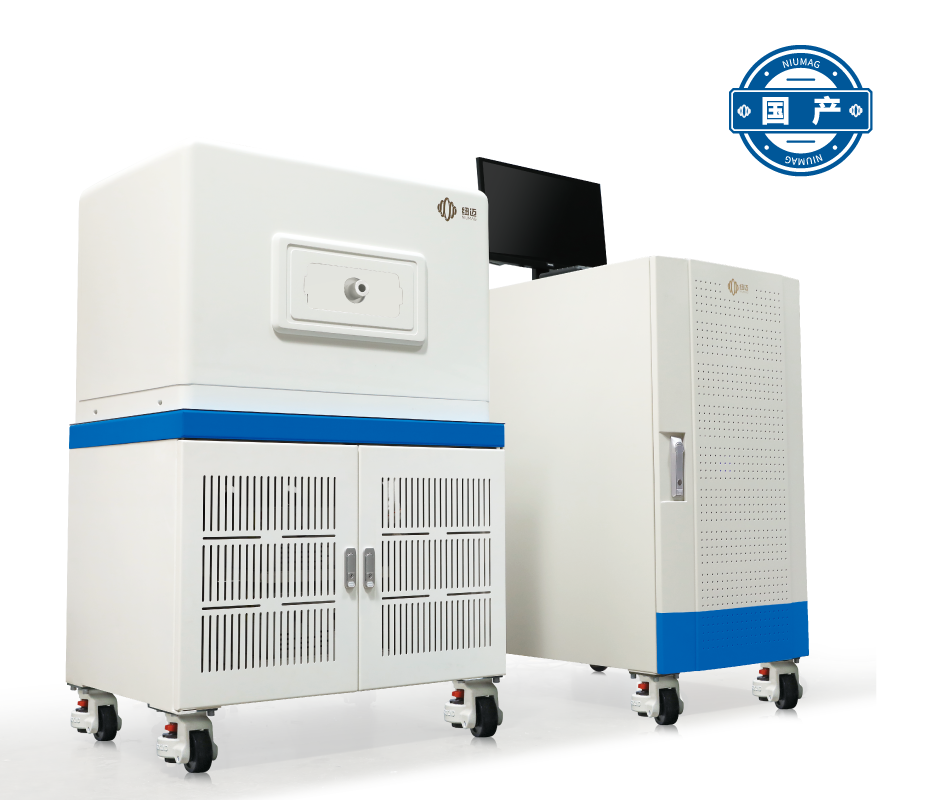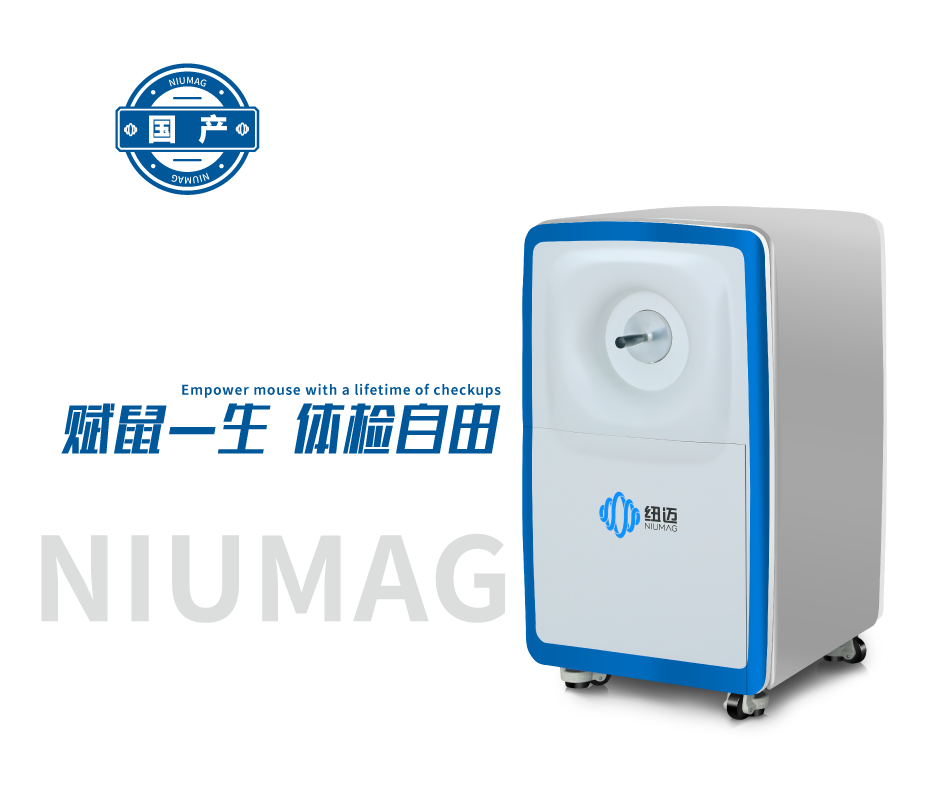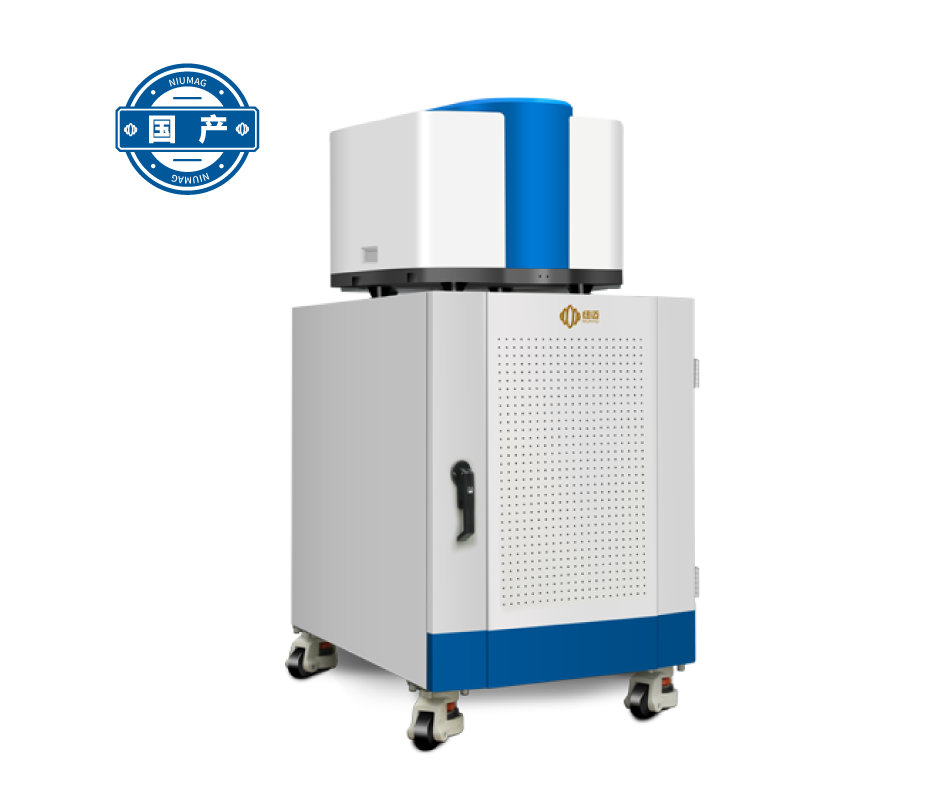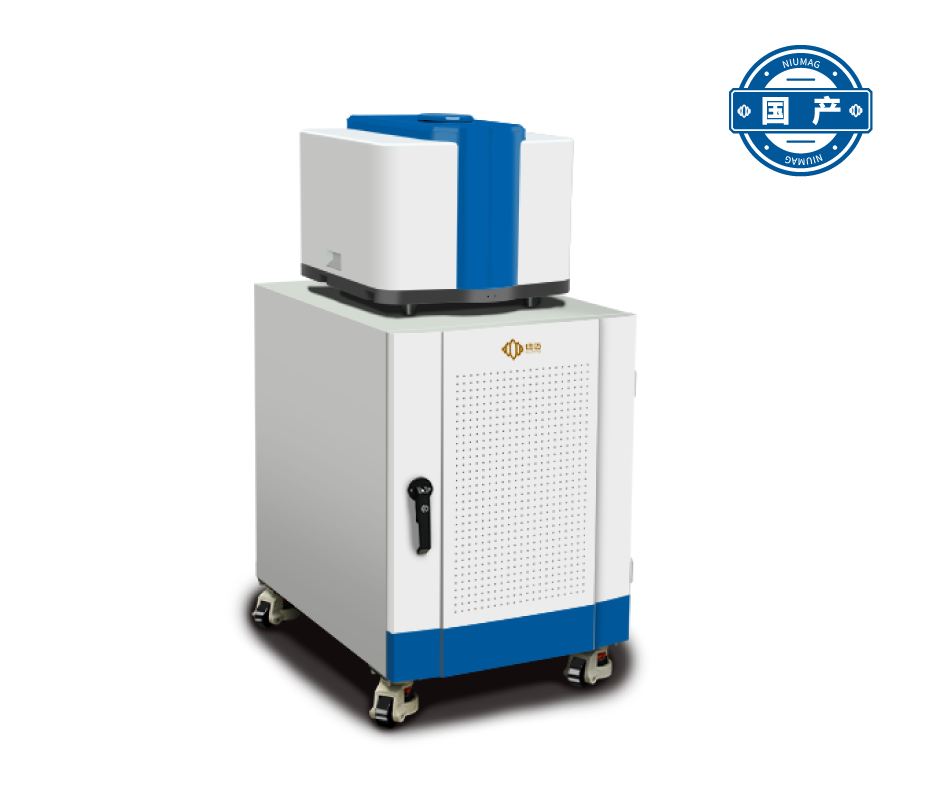







MacroMR Series – Large-Bore NMR Imaging & Analysis Systems

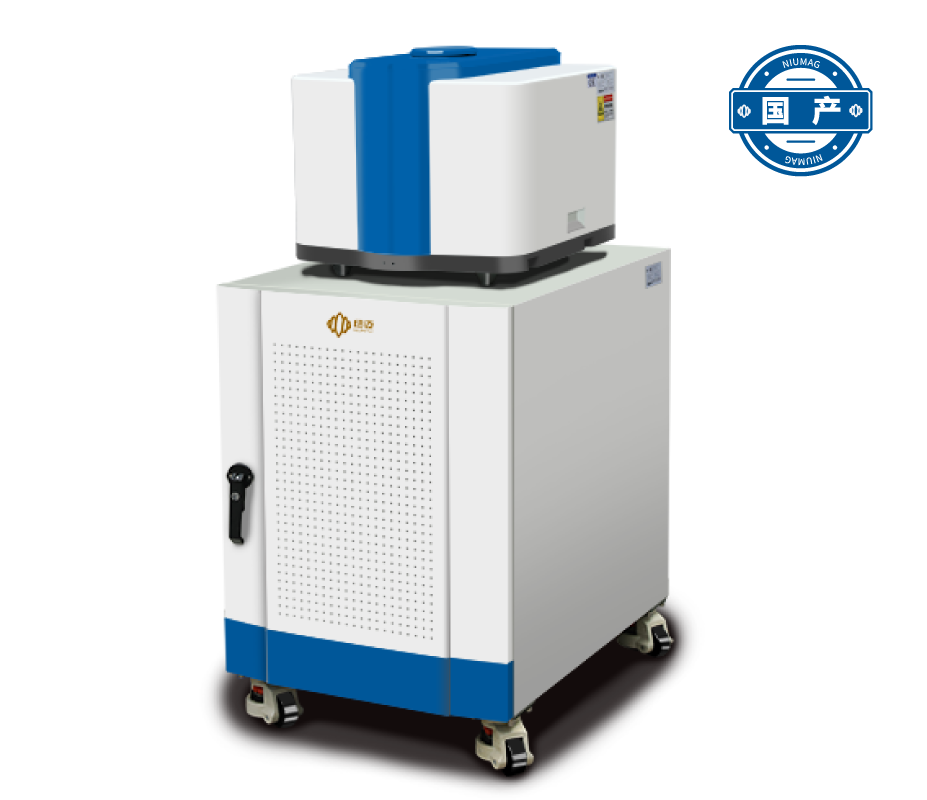
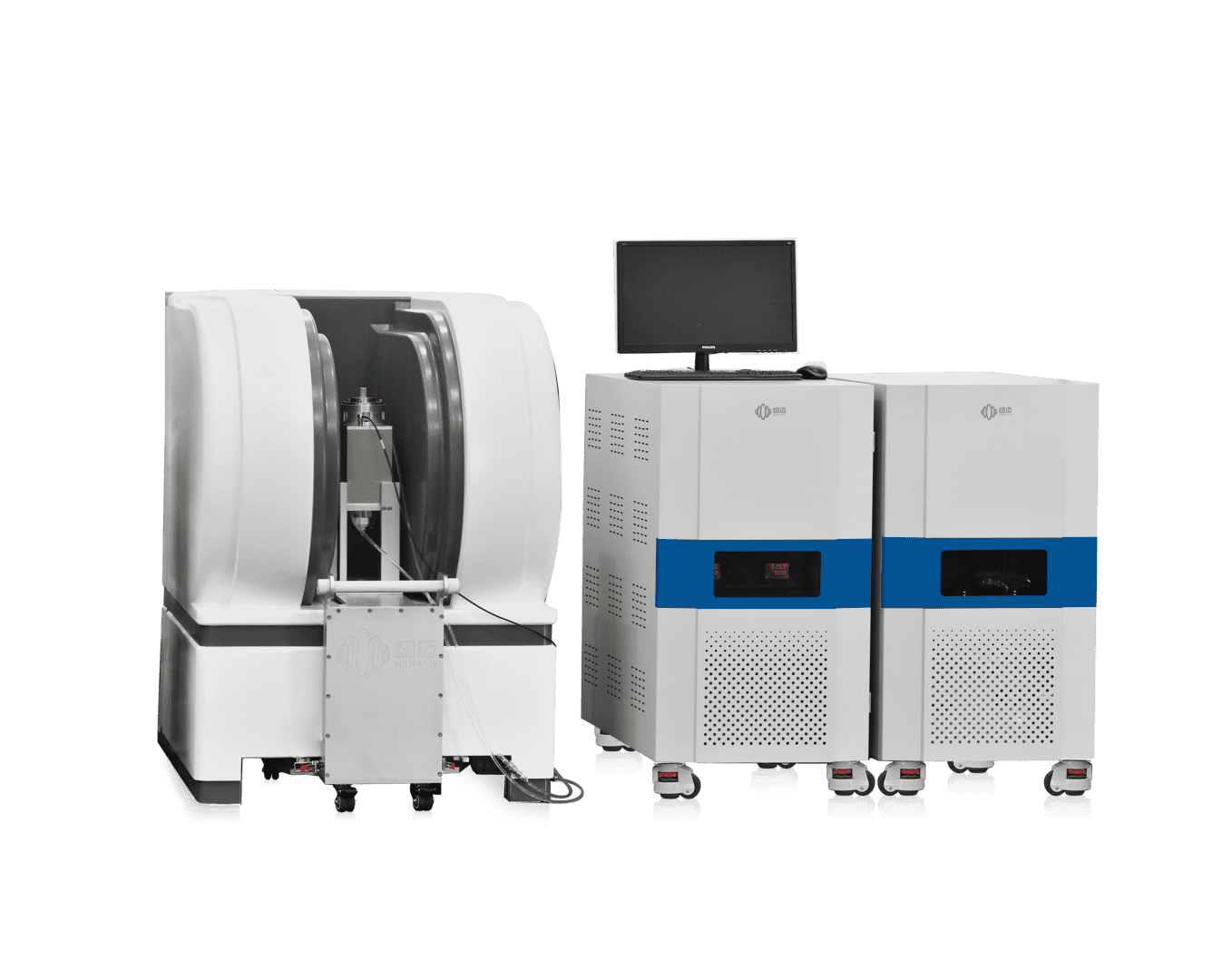
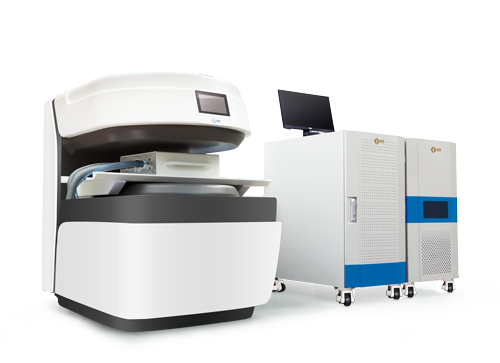
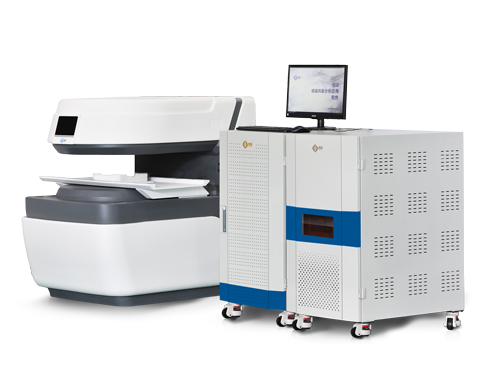
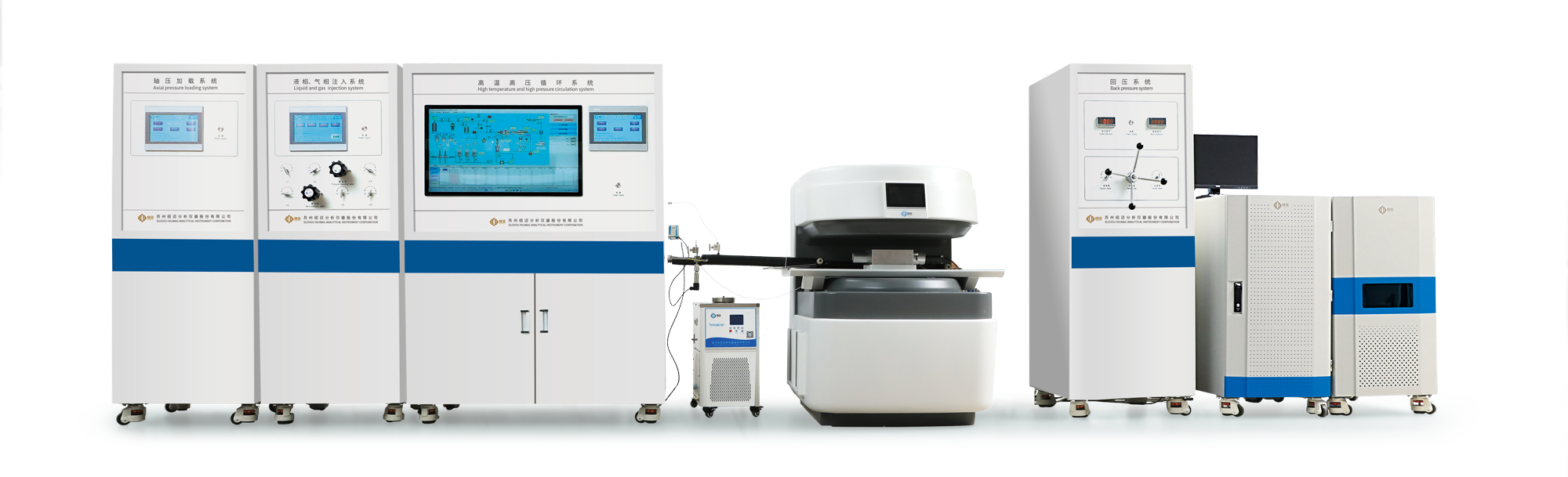
MacroMR12-150H-I, MacroMR12-150H-HTHP (40 MPa-PMMR), and MacroMR12-110H-I are full-diameter core NMR analysis and imaging systems developed by Niumag. Designed in a vertical cabinet style, they feature a clean and modern appearance with a large C-shaped bore magnet, offering broad application flexibility. The push–pull sample loading design integrates both NMR relaxation analysis and imaging functions in one system. Equipped with rare-earth NdFeB permanent magnets and the latest generation of fully digital spectrometer, the systems deliver versatile functionality with user-friendly operation.


Macroscale Samples

Microscale Features

Statistical Representation

Multi-Field Coupling

In-Situ & Online

Fast & Non-Destructive


Measure samples from millimeter to decimeter scale

Characterize molecular-scale dynamics

Capture all ^1H signals within the ROI

Enable coupling of temperature, pressure, and chemical fields

Real-time monitoring via temperature/pressure control modules

Rapid, seconds-to-minutes measurements without destroying samples


Key Specifications


Model: MacroMR12-150H-I


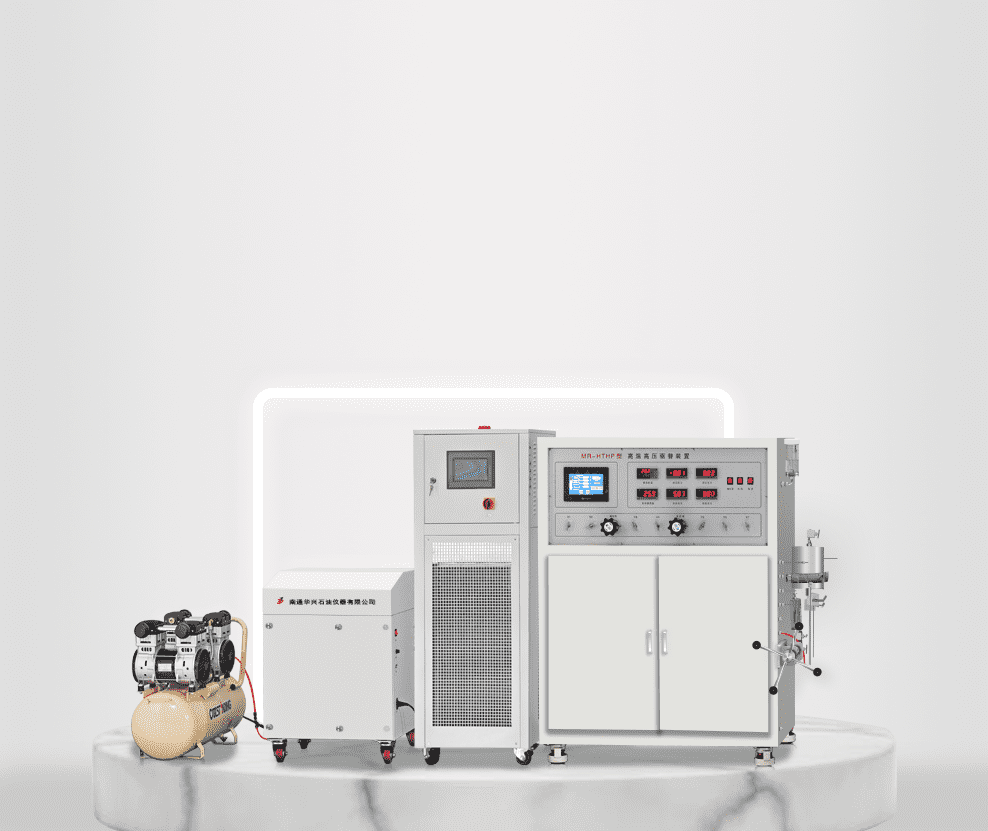
MacroMR12-150H-HTHP (40 MPa-PMMR)

MacroMR12-110H-I

Magnetic Field Strength: 0.3 T ± 0.03 T

Field Homogeneity: ≤ 50 ppm

Magnet Geometry: C-shaped open design

Sample Orientation: Transverse / Longitudinal

Key Features


1. C-shaped gap for easy, stress-free loading

Designed for large samples; fits 1–4 inch diameter cores

2. High-precision thermostated probe with advanced gradients

Stable, reliable acquisition for richer functions and better imaging

3. Comprehensive accessory ecosystem

Multiple core holders and chambers simulate real conditions (temperature, pressure, fluids, gases)


Capabilities


T1/T2 relaxation spectra; T1/T2/proton-density weighted imaging
Application of temperature, pressure, and fluid fields (accessories required)


Applications


1. Reservoir Petrophysics


  • Porosity / pore-size distribution
  • Oil / water saturation
  • Mobile / bound fluid saturation
  • Permeability
  • Wettability evaluation / layered water cut

2. Reservoir Development Evaluation


  • Quantify fracture development during hydraulic fracturing
  • Online analysis of porosity evolution during acidizing;
    polymer / chemical EOR monitoring
  • High-temperature, high-pressure two-phase displacement visualization & evaluation
  • Microscopic pore-flow parameters under confining / hydrostatic load
  • Triaxial compression damage analysis
  • Imbibition processes and characteristics

3. Unconventional Energy


  • Isothermal adsorption / desorption of shale gas / CBM
  • CO2 competitive adsorption experiments
  • Gas hydrate formation / decomposition
  • Gas–water two-phase displacement analysis
  • Supercritical CO2 fracturing / gas displacement


Large-Bore Low-Field NMR Imaging and Analysis System Large-Bore Low-Field NMR Imaging and Analysis System

Published Papers:
Lu Y , Wang L , Ge Z , et al. Fracture and pore structure dynamic evolution of coals during hydraulic fracturing[J]. Fuel,2020, 259:116272.1
Gan Q , et al. Effects of heating temperature on pore structure evolution of briquette coals[J]. Fuel, 2021, 296(2):120651.
Bing W A , et al. Adsorptive behaviors of supercritical CO2 in tight porous media and triggered chemical reactions with rock minerals during CO2-EOR and -sequestration[J]. Chemical Engineering Journal, 381(C):122577-122577.
Feng Wang; Yanbin Yao; Zhiang Wen,et,al. Effect of water occurrences on methane adsorption capacity of coal: A comparisonbetween bituminous coal and anthracite coal. Fuel, 2019, 266-285
Chaohui L , Zhengfu N , Mingqiang C , et al. Experimental study of boundary condition effects on spontaneous imbibitionin tight sandstones[J]. Fuel, 2019, 235:374-383.
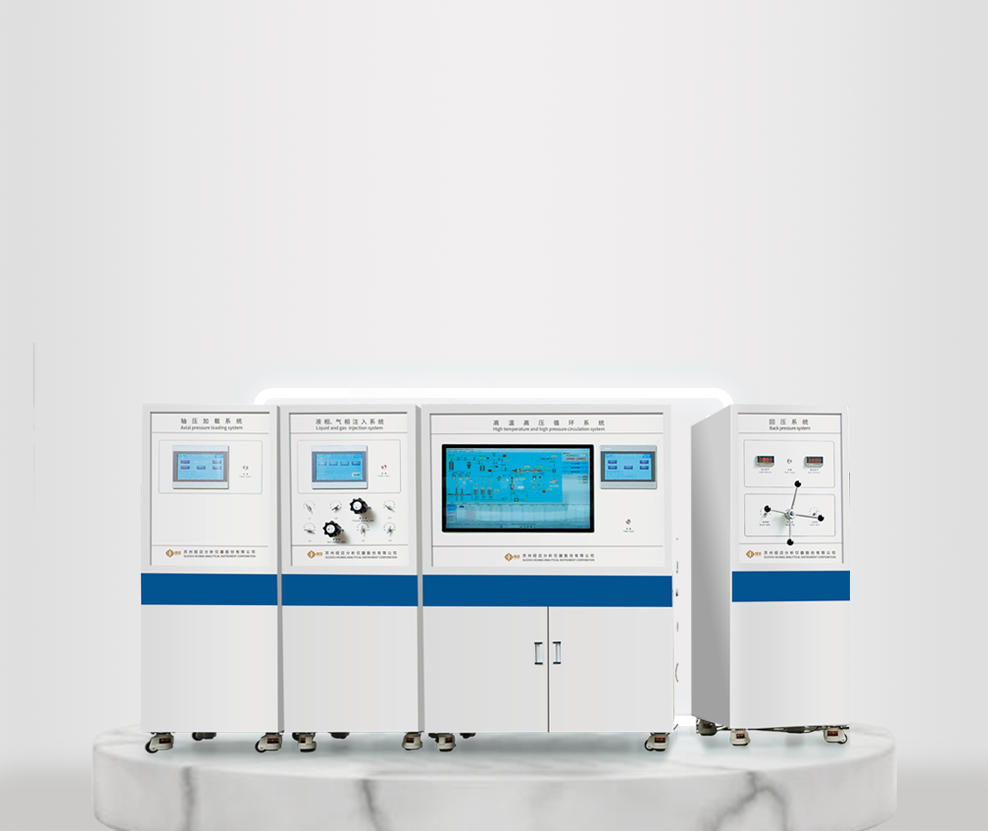
Pseudo-Triaxial Module

T₁/T₂ Relaxation Spectrum Measurement、T₁ / T₂ / Proton Density-Weighted Imaging

Layered T₂ Spectra Analysis、Application of Layer-Specific Signal Quantification under Variable Temperature, Pressure, Fluid Field, and Stress Field (Auxiliary Components Required)

Variation of Internal Water Distribution in Rocks under Different Confining and Axial Pressures

Low-Temperature High-Pressure Module

A Stable Low-Temperature Environment Down to –30 °C

High Data Accuracy — Better Suited for Detecting Subtle Signal Changes in Hydrate Studies

High-Temperature High-Pressure Module

Various Modular Accessories

High-Precision Thermostatic Probe

More Stable Data Acquisition

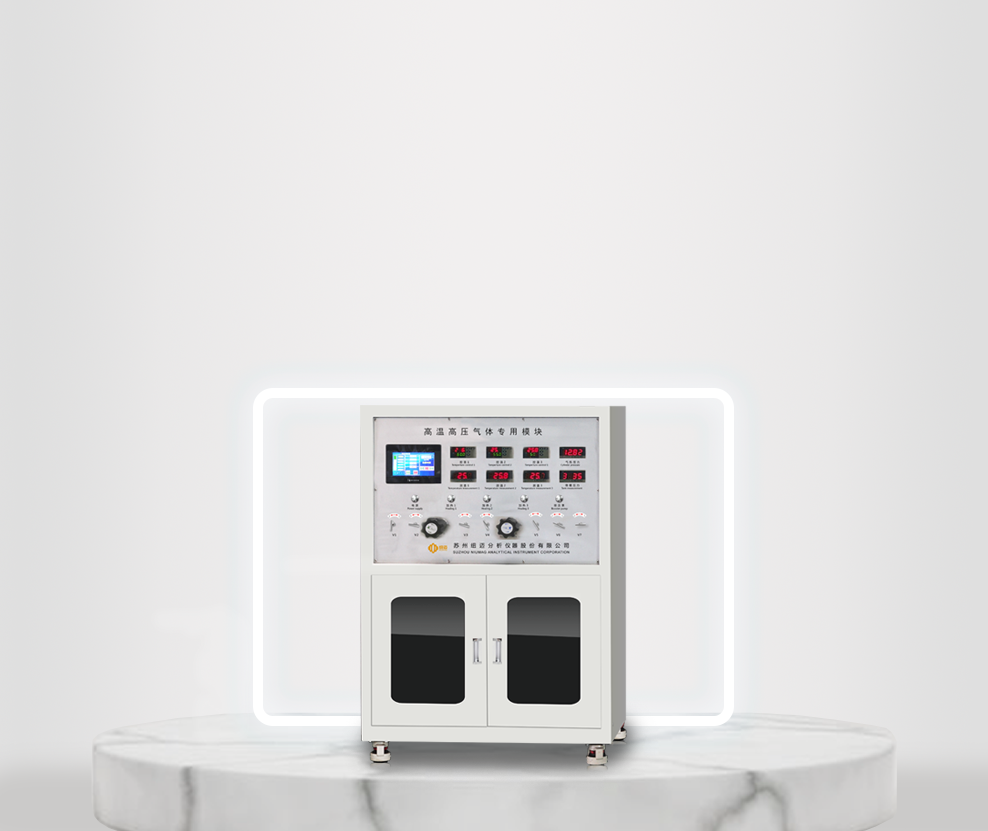
High-Temperature and High-Pressure Gas Module

A Component Specifically Designed for Gas Adsorption Experiments, Providing Stable Pressure and Temperature Simulation
Compatible with Various Gases (N₂, CO₂, CH₄) and Sample Types (Coal, Core Samples, etc.) for Adsorption Experiments

Popular Products

Phone Support

Phone: 400-060-3233

After-sales: 400-060-3233

WeChat Support
Official Account
TOP

Back to Top

Online Enquiry