

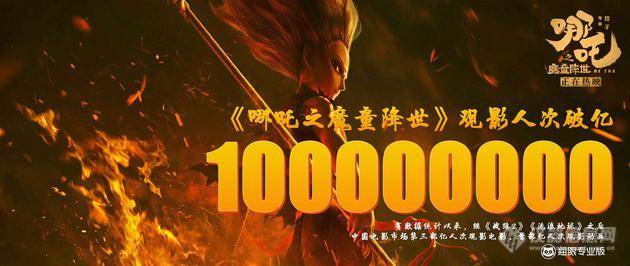
Recently, the movie “Nezha” has been receiving rave reviews on social media. Driven by curiosity, I finally decided to watch it and was deeply moved. To sum it up in one word: Worthy! It lived up to all the anticipation, it’s deserving of the 3.7 billion box office, and more importantly, it allowed every viewer to experience the author’s life reflections through the playful characters!
—Editor
The film “Nezha: The Devil Child” has taken over everyone’s social media. In just 20 days since its release, the box office has neared 4 billion. The movie’s rating on Douban surged to 8.6 on the opening day, and both the box office and ratings continue to break records. Chinese animated films are truly on the rise, and the technology is becoming more mature.

After dinner, while walking on the street, I overheard some kids chatting. They were talking about Nezha being the red bead and Ao Bing, the Dragon Prince, being the blue bead. In children’s eyes, the only distinction was color, and they didn’t define the deeper relationships between the characters!
Undoubtedly, this domestic animated movie is a huge success. It’s suitable for all ages. Children enjoy the light-hearted and humorous plot, while adults are deeply moved by the themes of family and personal growth! If “Nezha” is the unmissable dark horse of Chinese animation, director Yang Yu is truly an example of crossing boundaries and making a comeback.
By now, you’re probably thinking that the following will describe the struggles and challenges behind making this movie. Indeed, as adults, we can easily imagine the effort and dedication behind the scenes of such a film.
Just like Wu Jing from “The Wandering Earth,” who performed without pay, there are countless other stories. But what deserves more reflection is the person behind the movie—director Yang Yu.
Success built on patience, the greatness in the small things.
In 2002, Yang Yu, a third-year student at Huaxi Medical University’s School of Pharmacy, first encountered MAYA and began teaching himself CG animation. After graduating, he worked at an advertising company for a year before quitting to independently create animated videos.
After spending several years at home, Yang Yu took three years to independently create a 16-minute animated short film—”Hit, Hit the Big Watermelon”—which was completed in 2007.
However, history often repeats itself. The film faced severe funding issues, and during the crowdfunding for “Big Fish & Begonia,” a university student mentioned finding his name at the end of the film—even though he had only contributed 10 yuan.
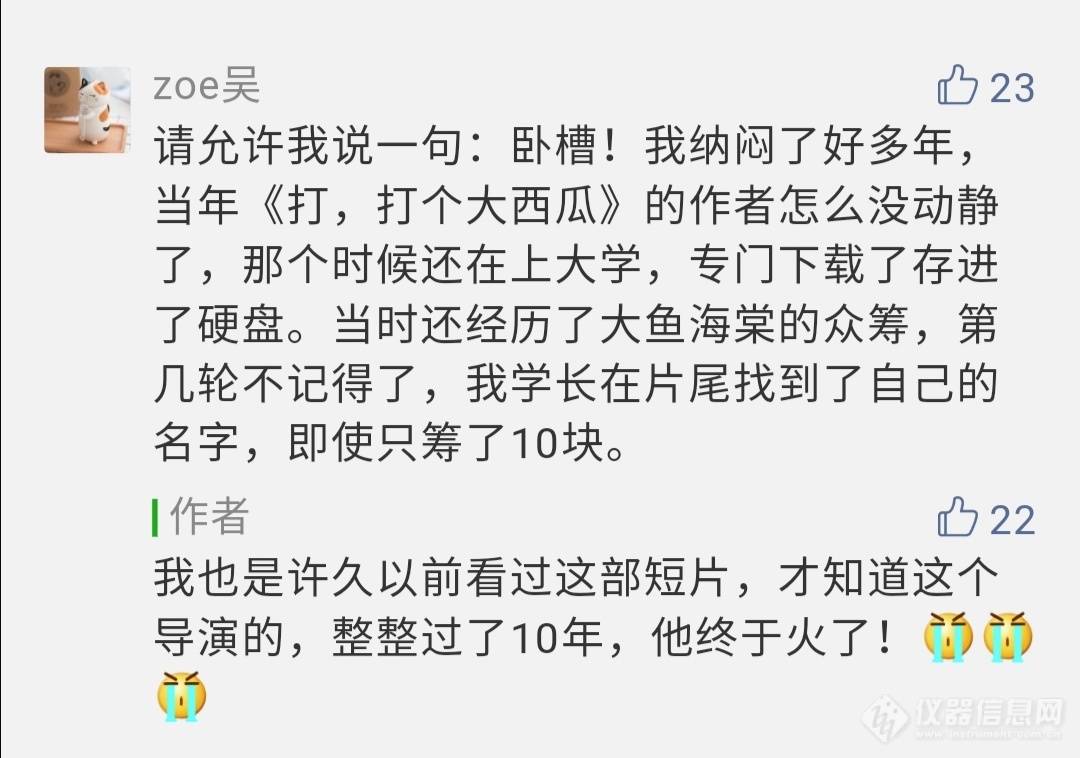
With “Hit, Hit the Big Watermelon,” Yang Yu won numerous awards, sweeping over 30 awards both domestically and internationally. Some viewers who saw the short film back then even downloaded it to their hard drives. Yet, Yang Yu still did not gain the fame he deserved.
It wasn’t until the release of “Nezha” in 2019 that this humble, quiet, and self-taught 80s-born anime director—Yang Yu—finally emerged.
Considered a symbol of the rise of domestic animated films, the director of “Nezha” didn’t come from any prestigious background, nor did he have a mentor helping him. From storyboarding, voice demonstration, expression performances, to post-editing, Yang Yu was at the helm, managing it all.
An 80s-born medical student, fueled by a passion for animation, spent twelve years to help mark the rise of Chinese animated films.
Life’s success often stems from patience and hard work.
History is eerily similar. Every ordinary entrepreneur starts from zero. Going back to 2003, a few graduates from East China Normal University, these restless young individuals, gave up prestigious teaching positions at Fudan University and sought-after positions at Fortune 500 companies to set up their business in a low-ceiling office in Shanghai. Their direction: to develop domestic low-field nuclear magnetic resonance (NMR) technology. This was the birth of Numag Analysis.

For research in natural sciences, having an experimental platform and equipment is crucial. However, in the high-rent city of Shanghai, getting a research facility for Numag in its early days was an extremely challenging task.
“On June 28, 2009, on a rainy day, our old Liu and a dozen colleagues filled two large trucks with goods and moved from Shanghai’s Tiandi Software Park to the garage in Building 2 of the Suzhou High-Tech Software Park. The choice of this garage, the tough conditions, and the humble beginnings showed that Numag’s commitment to growth and innovation was simply about working hard without seeking glory, focusing on quiet development and survival.”
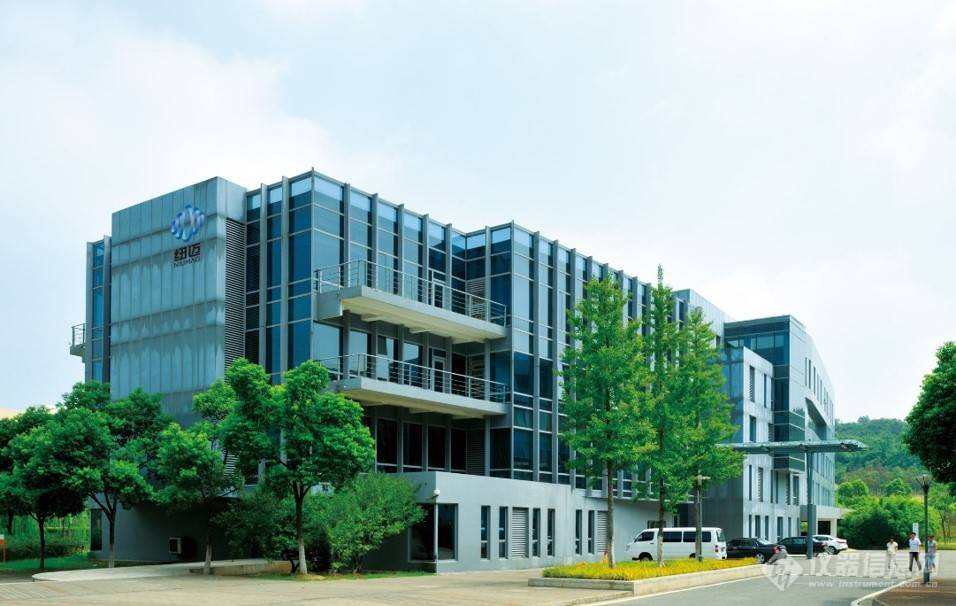
Numag Analysis Suzhou Office – Suzhou High-Tech Software Park
Chairman Yang Peiqiang recalls the scene from 10 years ago, and it feels as vivid as yesterday.
“Back then, we knew nothing. We didn’t even understand things like financing. We only knew that if we focused on product quality and customer service, the market would come. It was the simplest entrepreneurial belief we had.”
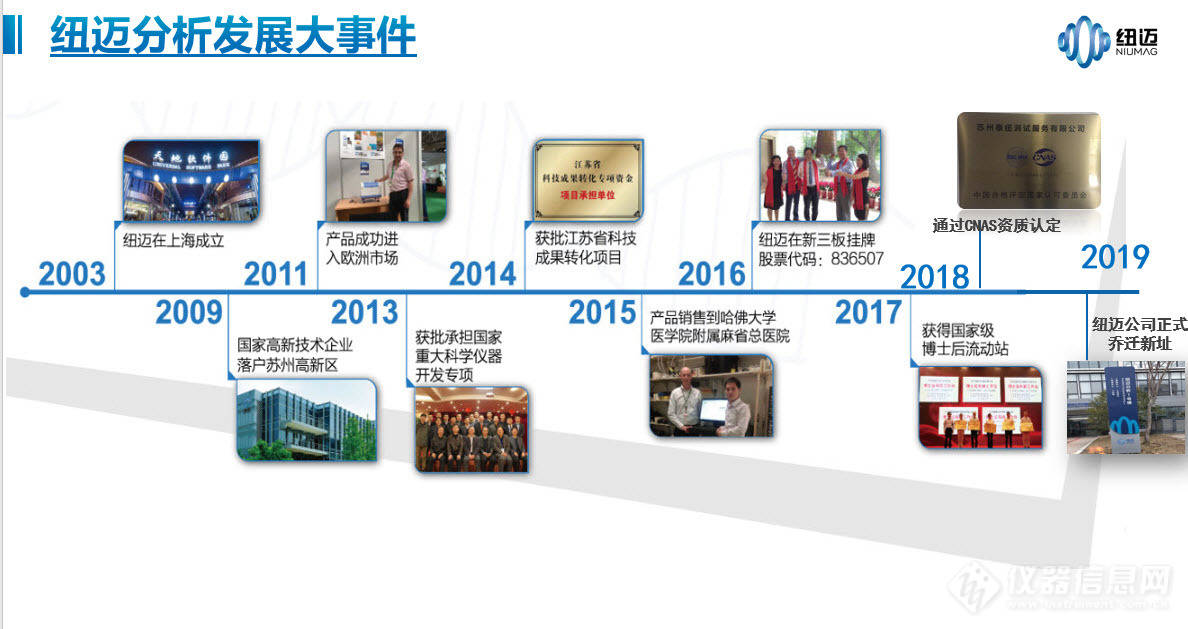
Starting point isn’t the key; what matters is the direction you run towards.
To this day, the technological threshold for nuclear magnetic resonance is still quite high. Imagine how difficult it must have been for Numag’s technical team to break through from zero to one during their R&D process.
For many years, Numag’s small team adhered to a workshop-style approach, accomplishing tasks that would now require many people to collaborate. For instance, it took two months to reduce the pulse width of a new product to a few tens of microseconds.
To ensure that defective equipment was never shipped, an old veteran was demoted or even encouraged to leave, while fresh college graduates were entrusted with key responsibilities. Using their expertise and youthful enthusiasm, they began developing new technologies and products.
Breaking the foreign technological monopoly, Numag aimed to create a well-known domestic low-field NMR brand!

Low-field nuclear magnetic resonance (NMR) technology is not as widely known as mainstream techniques like spectroscopy or chromatography. Numag’s R&D team has gathered experts from various fields and has been deeply cultivating its expertise in the diversified applications of low-field NMR technology, developing scalable capabilities and adapting to emerging trends, thus finding its core competitive advantage.

The December 2018 incident involving Peking University’s NMR Center sparked heated discussions. The center issued a statement complaining about the long repair cycles, slow response times, inadequate engineer skills, high maintenance fees, and poor customer service from a foreign NMR brand. The issue led to strong support and resonance from domestic NMR instrument users and even a collective outcry against foreign company after-sales service.
However, we must face the reality: without technological innovation, we lack a voice. Ultimately, we fall short of confidence.
In fact, the solution to breaking the monopoly is for domestic brands to rise to the challenge. Apart from improving quality and positioning domestic instruments among the global leaders, providing localized after-sales services and enhancing the “soft power” of customer service is a key way to compete against foreign companies’ monopolistic after-sales services.
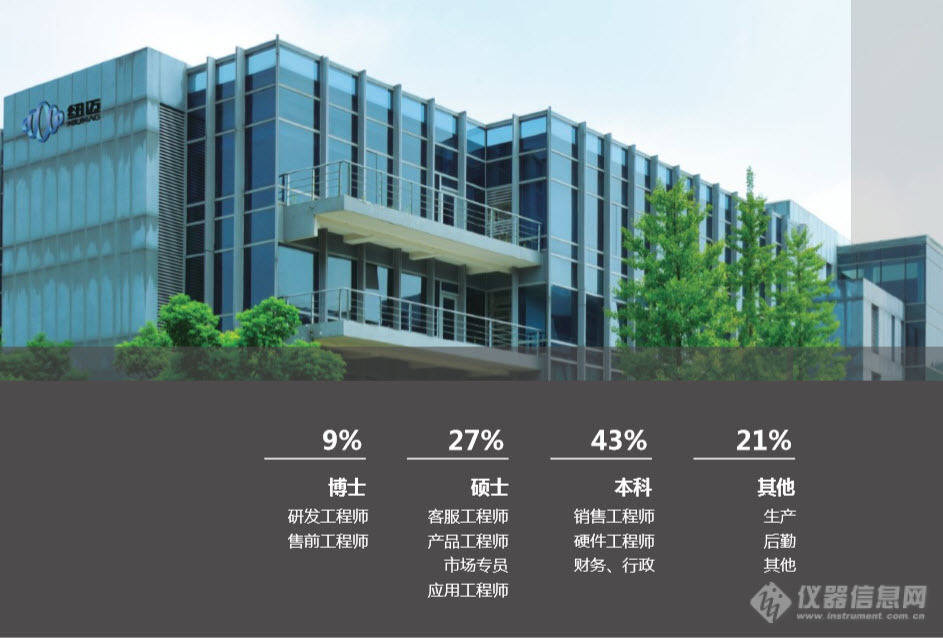
Today, Numag, with a team of over 150 people, is fully committed to product R&D, employing a “dual focus” strategy. 80% of Numag employees hold bachelor’s degrees or higher. The company also has a national-level postdoctoral research station, with three members awarded the “Double Creation Doctor” title in Suzhou.
Numag has undertaken national major scientific instrument development projects. After over a decade of persistence, it has achieved a higher market share for these instruments and set an example for domestic scientific instruments striving to compete globally. Numag has obtained CNAS laboratory certification for seven standard measurement methods for rock cores and is leading the establishment of national application standards for low-field NMR.
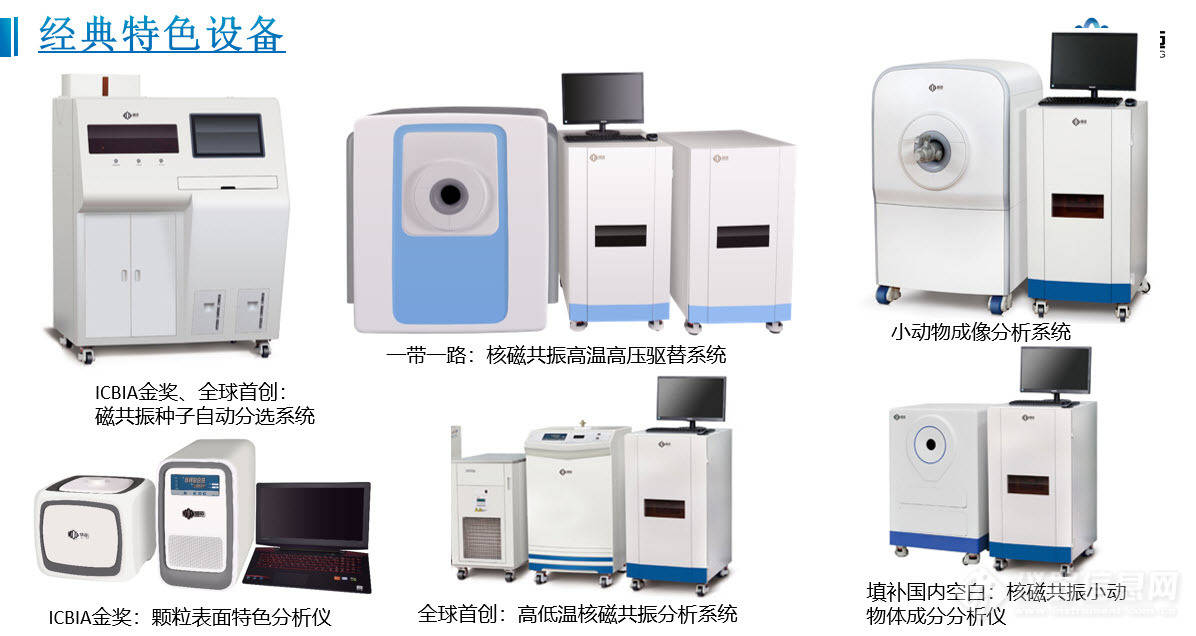
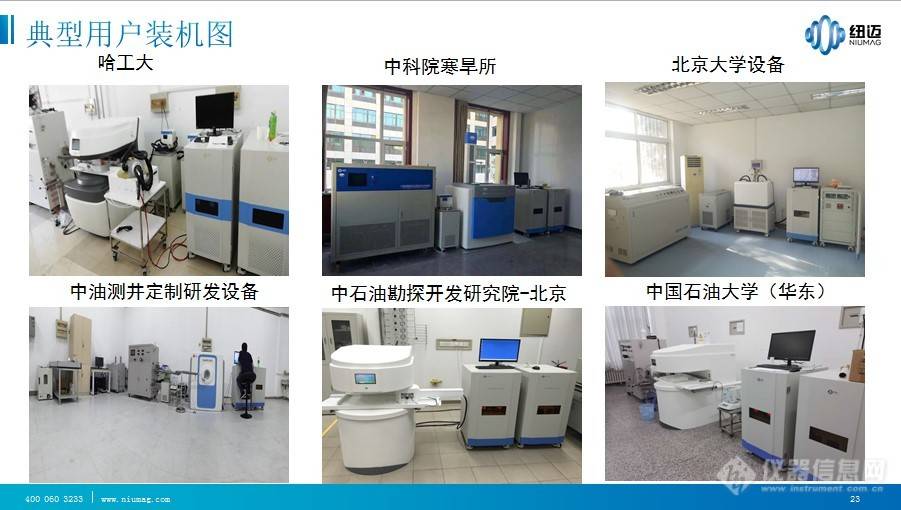
At the same time, Numag has partnered with top domestic universities to establish several joint NMR laboratories. Leveraging these platforms, the range of applications for Numag’s products has expanded into research fields like petroleum, porous media, agriculture, food, life sciences, and polymer materials, and a large number of software and hardware systems have been developed accordingly, truly bridging the gap between research needs and practical applications.
The road ahead is long, but we will reach it.
Returning to the movie “Nezha,” I remember a line from the film: “My fate is in my own hands, not determined by heaven.” Life is inherently solitary, rejecting definitions, breaking free from constraints. This message is not just about Nezha and Ao Bing, but applies to every viewer and to China as a whole.

Personal growth requires determination and heroic spirit. However, in the reality of entrepreneurship, especially in natural sciences, we need to maintain a humble attitude, pursue our goals with unwavering belief, and eventually, what we dream of will come true!
Numag, in this lifetime, is dedicated to the research and promotion of nuclear magnetic resonance technology and will continue to strive for the rise of domestic scientific analysis instruments!

Some images and content in this article come from the internet. If there is any infringement, please contact us for removal.
 Scan QR Code
 Scan QR Code
 Phone Support
Phone: 400-060-3233
After-sales: 400-060-3233
 WeChat Support

 Official Account

Back to Top