


Low-field nuclear magnetic resonance (LF-NMR) characterizes the soft and hard segments in materials by detecting the relaxation behavior of hydrogen protons—providing a fast, non-destructive analytical method.
Generally, hydrogen protons in soft segments exhibit longer T2 relaxation times, while those in hard segments show shorter T2. A higher soft segment content contributes to greater flexibility and elasticity. Conversely, more hard segments enhance tensile strength, tear resistance, and abrasion resistance.
Segment analysis enables rapid, quantitative, and non-invasive insights for material design, process optimization, and quality control.
Protective films are widely used in electronics, industrial goods, automotive applications, and furniture. They offer physical protection, oil and fingerprint resistance, heat insulation, anti-shatter capabilities, and corrosion resistance.

In real-world applications, the softness or hardness of the film must be precisely balanced. Overly soft materials may become too adhesive over time or under heat, leading to removal difficulties or residue. Overly hard materials may not bond effectively to surfaces, compromising protection. Currently, R&D and quality control teams rely on mechanical or rheological tests under varying temperatures to evaluate properties. However, these methods are time-consuming and can hinder efficiency.
To address this, Sekisui Chemical Co. (Japan) adopted temperature-controlled LF-NMR to analyze segment distribution in the material. Results showed that at 60°C, soft segment content was under 10% with relaxation times between 25–80 ms. At 25°C, soft segment content ranged from 30% to 65% with relaxation times of 0.2–0.4 ms. This composition enables the film to maintain high initial adhesion without increasing over time or heat exposure—and allows clean removal with no adhesive residue.
LF-NMR enables accurate evaluation of soft and hard segment behavior under varying temperatures—offering critical insights for protective film development and quality assurance.
Polyurethane (PU) is a highly versatile polymer formed by polyol and isocyanate polycondensation. It offers excellent mechanical properties and customizability.
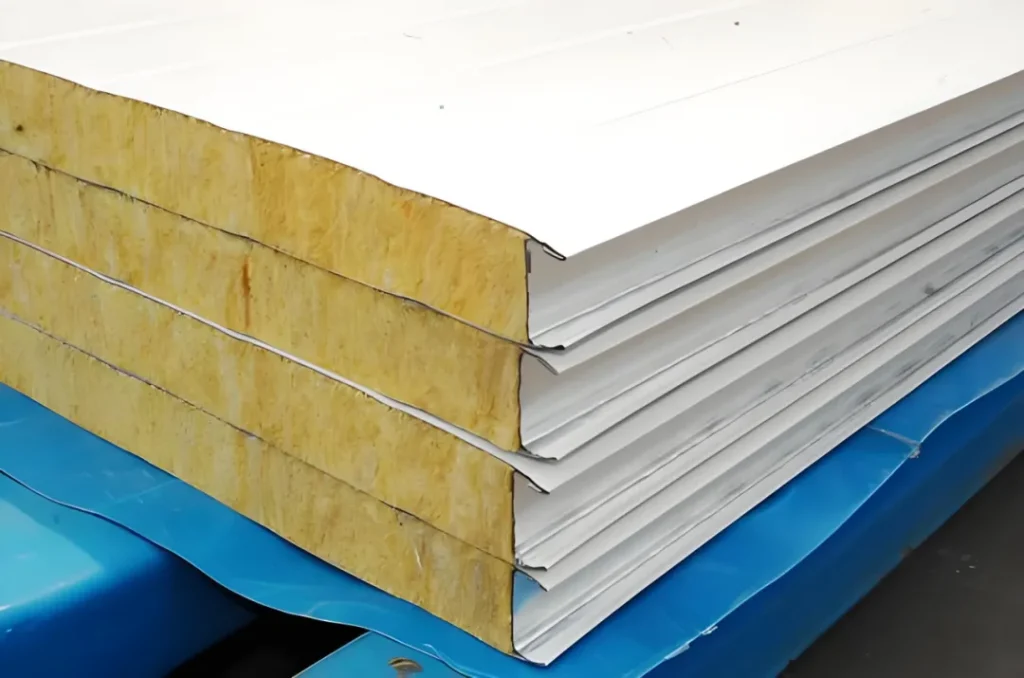
In PU elastomers, soft segments typically account for 50% to 90% of the molecular structure, while hard segments range from 10% to 50%, depending on application requirements.
Higher soft segment ratios provide better flexibility and elasticity. More hard segments enhance tensile strength, tear resistance, and durability. Currently, domestic researchers still rely on traditional formulation strategies for PU development—an approach that limits R&D efficiency and compromises consistency in product performance.
To improve this, Asahi Kasei Corp. (Japan) used LF-NMR to characterize segment distribution in PU materials. Findings showed that when soft segments accounted for 55%–65% and hard segments for 10%–15%, the material exhibited high softness, excellent elongation, and strong impact resistance.
LF-NMR-based segment analysis not only accelerates R&D workflows but also offers a scientific basis for reliable product quality evaluation.
Polishing pads are extensively used in the finishing of optical materials, semiconductor components, and glass substrates in hard drives—particularly for precision grinding of oxide or metal layers on wafers.
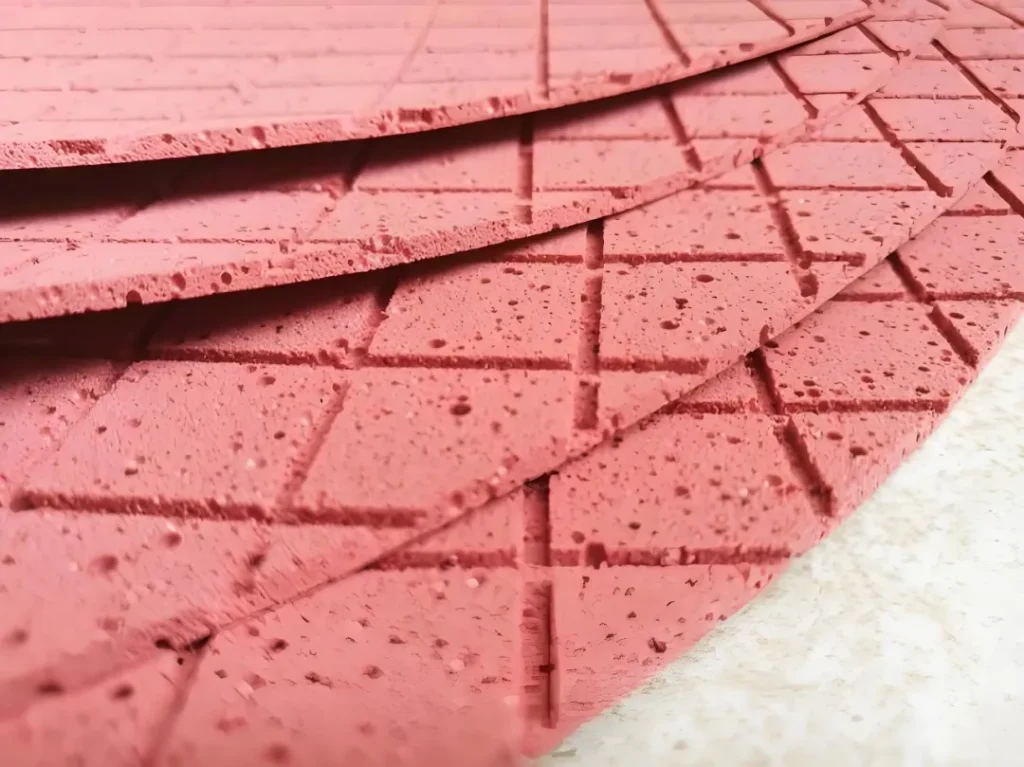
In use, polishing pad hardness must be precisely managed. Pads that are too hard may fail to smooth out surface irregularities; too soft, and they lose abrasion resistance, wear out quickly, or deliver inadequate polishing rates. Currently, there’s a lack of fast, scientific methods to characterize pad hardness and softness.
To address this, Fujibo Holdings (Japan) implemented temperature-controlled LF-NMR for segment analysis of polishing pad materials. Their research revealed that when soft segment content stayed within target thresholds at 40°C and 80°C, the pads achieved outstanding scratch resistance and polishing efficiency.
LF-NMR reveals material softness and hardness by analyzing proton mobility—offering fast, quantitative, and non-destructive segment evaluation for design, process control, and QA.
Combined with dynamic experiments (e.g., variable temperature or stress), LF-NMR helps link microscopic structures to macroscopic performance—making it a core characterization tool for polymers, composites, and biomaterials.
 Scan QR Code
 Scan QR Code
 Phone Support
Phone: 400-060-3233
After-sales: 400-060-3233
 WeChat Support

 Official Account

Back to Top